
ABOUT ROORKEE

Roorkee is a historic and rapidly developing city located in the Haridwar district of Uttarakhand, India. Known for its academic excellence, engineering heritage, and strategic location, Roorkee holds a unique position in India’s educational and infrastructural landscape.
The city is internationally recognized for the prestigious Indian Institute of Technology Roorkee (IIT Roorkee), one of Asia’s oldest engineering institutions. This landmark has played a significant role in shaping India’s technical education and innovation ecosystem. Roorkee has long been associated with research, development, and engineering brilliance.
Beyond education, Roorkee is historically important for the Upper Ganga Canal, one of India’s oldest irrigation projects built during British rule. The city’s proximity to Haridwar and Rishikesh also makes it culturally and spiritually significant.
Today, Roorkee is growing as a hub for education, local businesses, real estate, and emerging enterprises. With a blend of tradition and modern development, the city offers opportunities for students, entrepreneurs, and residents alike.
Roorkee represents progress rooted in heritage — a city where knowledge, history, and growth come together.
History Of Roorkee
Ancient Period
The region of Roorkee lies near the Shivalik hills and between the Ganga and Yamuna rivers, making it historically significant since ancient times. Though detailed written records are limited, the area was part of early North Indian civilizations influenced by Vedic culture. Its fertile plains supported agriculture, and nearby river systems helped early settlements thrive. Due to its location, the region likely formed part of ancient kingdoms such as the Mauryas and Guptas.
Medieval Period
During the medieval era, the Roorkee region came under the rule of the Delhi Sultanate and later the Mughal Empire. It was mainly a small settlement surrounded by agricultural lands and forests. The area remained strategically important because of its location connecting northern trade routes. However, it did not develop into a major city during this time and largely functioned as a rural settlement under regional administration.
Colonial Period
Roorkee rose to prominence during British rule in the 19th century. The British constructed the Upper Ganga Canal (completed in 1854), one of the largest irrigation projects of its time, to support agriculture in North India. To train engineers for this massive project, the British established the Thomason College of Civil Engineering in 1847, which later evolved into Indian Institute of Technology Roorkee. This made Roorkee one of the earliest centers of engineering education in Asia. The city grew around canal administration, engineering works, and educational institutions, transforming it from a small village into an important colonial town.
Modern Period
After India’s independence in 1947, Roorkee continued to grow as an educational and engineering hub. In 2001, when Uttarakhand became a separate state, Roorkee became part of the newly formed state. The upgrade of IIT Roorkee to national importance strengthened the city’s academic reputation globally. Today, Roorkee is known for education, research, defense establishments, and growing local businesses. While modernization has expanded infrastructure and commerce, Roorkee still retains its historic charm and engineering legacy. It stands as a city where heritage and progress move forward together.
Festivals and Lifestyle of Roorkee
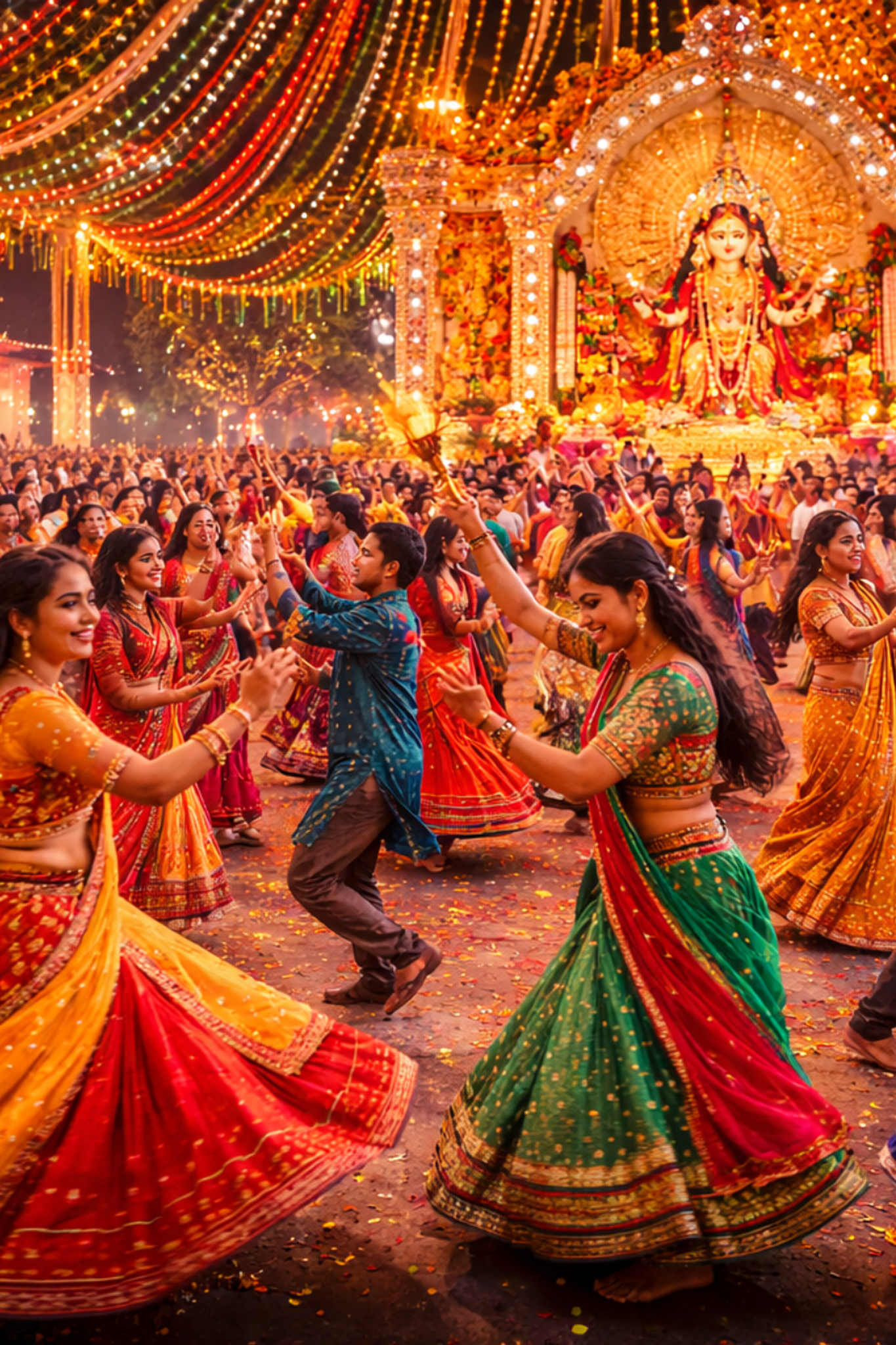
Navratri in Roorkee is celebrated with deep devotion, vibrant colors, and an atmosphere filled with spiritual energy and community joy. As the nine sacred nights begin, temples across the city are beautifully decorated with lights, flowers, and traditional ornaments, creating a divine and festive environment. Devotional songs and bhajans echo through the streets, while devotees gather in large numbers to offer prayers to Goddess Durga and seek her blessings. Many families observe fasting during these days, following age-old traditions with sincerity and faith. Evenings become especially lively as Garba and Dandiya programs are organized in open grounds and community halls, where people dressed in colorful traditional attire dance with enthusiasm and devotion.
The festival truly reflects Roorkee’s unique blend of cultural heritage and youthful spirit, especially with the presence of students and families who actively participate in celebrations. Markets glow with decorative lights, shops are filled with festive items, sweets, and traditional outfits, and the entire city feels energized by the occasion. Navratri is not only a religious festival here but also a time for strengthening social bonds, bringing neighborhoods together, and celebrating unity. The harmony, joy, and collective participation seen during these nine nights highlight the city’s strong cultural roots and its vibrant community life.
Navratri also strengthens social bonds in Roorkee, as neighborhoods organize community events, bhajan evenings, and special prayers. Local markets see a festive rush with colorful decorations, traditional outfits, and sweets filling the shops. The celebration is not only religious but also a time of joy, togetherness, and cultural pride for the people of the city. The city comes alive with beautifully decorated temples, devotional songs, and energetic Garba and Dandiya nights.
How to Reach Roorkee
By Road
Roorkee is well connected by road via NH-58. Regular buses and taxis are available from nearby cities like Haridwar (30 km), Dehradun (70 km), and Delhi (180 km).
By Train
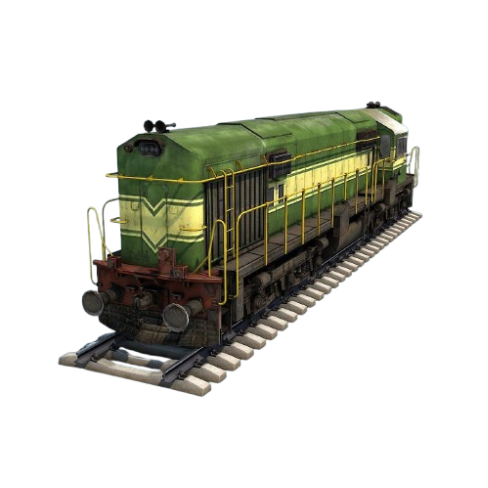
Roorkee Railway Station is well connected to major cities like Delhi, Dehradun, Haridwar, and Mumbai. Regular express and passenger trains make rail travel one of the most options.

By Air
The nearest airport is Jolly Grant Airport, located about 65–70 km from Roorkee. From the airport, you can hire a taxi or take a bus to reach Roorkee in approximately 1.5–2 hours.
FAQ – Frequently Asked Questions
Where is Roorkee located in Uttarakhand?
Roorkee is a well-established and historically significant city situated in the Haridwar district of Uttarakhand, India. Located in the plains region of the state, it lies along the banks of the historic Upper Ganga Canal, which adds both geographical and cultural importance to the city. Roorkee is positioned approximately 30 kilometers from Haridwar, one of India’s most sacred pilgrimage destinations, and around 70 kilometers from Dehradun, the capital city of Uttarakhand.
Does Roorkee have historical importance?
Yes, Roorkee holds considerable historical importance, particularly due to its pioneering role in British-era engineering and infrastructure development in India. During the 19th century, the city emerged as a major center for civil engineering projects, most notably the construction of the Upper Ganga Canal. This ambitious irrigation project, completed in the mid-1800s, was one of the largest and most advanced canal systems of its time, significantly improving agricultural productivity across northern India.
What is the significance of IIT Roorkee?
Established in 1847 as the Thomason College of Civil Engineering, IIT Roorkee is one of the oldest and most prestigious technical institutions in Asia. Its foundation marked a significant milestone in the development of engineering education in India, particularly in the field of civil engineering, which played a crucial role in the country’s early infrastructure and irrigation projects.
Is Roorkee considered an educational hub?
Yes, Roorkee is widely regarded as an important educational hub in Uttarakhand, primarily due to the presence of IIT Roorkee, one of India’s most prestigious institutions for engineering and research. The institute not only attracts students from across the country but also from various parts of the world, contributing significantly to the city’s academic reputation.
How is Roorkee connected to other cities?
Roorkee enjoys strong connectivity with major cities in Uttarakhand and neighboring states through an efficient network of railways and national highways. The city is situated along National Highway routes that link it directly to Delhi, Haridwar, Dehradun, and Saharanpur, making road travel convenient for both residents and visitors. Regular bus services, including state-run and private operators, provide frequent transportation to nearby towns and metropolitan cities.