
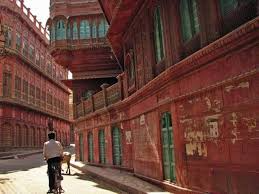
Old City Havelis & Architectural Streets
Roorkee’s Old City area still preserves glimpses of its traditional North Indian merchant architecture. While the city is better known for engineering heritage, its older neighbourhoods quietly showcase cultural history through havelis, carved balconies, and narrow heritage streets. Old market areas near the city centre Streets around the historic canal zones Traditional residential pockets near Roorkee’s older settlements
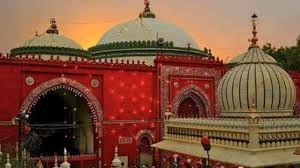
Piran Kaliyar Sharif
Piran Kaliyar Sharif is a revered Sufi shrine located near Roorkee in the Haridwar district of Uttarakhand, India. It is dedicated to the 13th-century Sufi saint Hazrat Alauddin Ali Ahmed Sabir, also known as Sabir Pak. The dargah is a major pilgrimage site that attracts visitors of all faiths for spiritual solace and blessings.Piran Kaliyar Sharif was established around the resting place of Sabir Pak, a prominent Sufi of the Chishti order and disciple of Baba Farid of Pakpattan. The shrine emerged as an important spiritual center during the medieval period, promoting harmony, compassion, and service to humanity—values central to Sufi teachings. The word “Piran” refers to a saint, and “Kaliyar” denotes the village where the shrine stands.

Roorkee Group Museum and Archives
The Roorkee Group Museum and Archives is a heritage and research institution located in Roorkee, Uttarakhand, India. It preserves and showcases the historical legacy of engineering, education, and institutional development associated with Roorkee, one of India’s earliest centers of technical education.The museum and archives were established to document and celebrate the long academic and engineering heritage of Indian Institute of Technology Roorkee, which traces its roots to the Thomason College of Civil Engineering founded in 1847. The Roorkee Group Museum and Archives maintains collections that connect the evolution of civil engineering education in India with the region’s colonial and post-independence history.
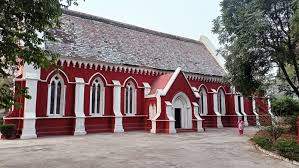
Roorkee Cantonment
Roorkee Cantonment is a historic military garrison located in Roorkee, Uttarakhand, India. Established during the British colonial period, it played a key role in the region’s defense and in the development of modern engineering and surveying in India. Today, it remains an important Indian Army establishment with deep historical roots.The Roorkee Cantonment was founded by the British East India Company as part of efforts to station the Bengal Sappers and Miners Regiment—later known as the Bengal Engineer Group. Its establishment coincided with the construction of the Upper Ganga Canal, which required skilled engineering support. The cantonment became one of the earliest permanent military engineering bases in northern India.
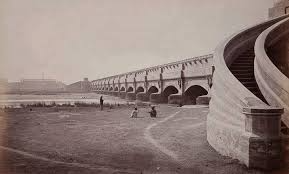
Solani Aqueduct
The Solani Aqueduct is a 19th-century engineering landmark in Roorkee, Uttarakhand, India. It carries the Upper Ganges Canal over the Solani River, representing a major feat of British-era civil engineering and hydraulic design that helped transform irrigation in northern India.Constructed between 1840 and 1846, the Solani Aqueduct was one of the earliest large-scale canal structures built in colonial India. It was part of the Upper Ganges Canal system designed by Sir Proby Cautley to supply irrigation water to the fertile but drought-prone plains of western Uttar Pradesh. The project marked a turning point in the development of hydraulic infrastructure in the subcontinent.